.png)

Explore the Best Wildflower Seed Mix Ideas for UK Gardens

Creating a vibrant wildflower garden is a rewarding way to support local wildlife and add natural beauty to any outdoor space. Choosing the right wildflower seed mix is essential for success. In this post, I will guide you through the best wildflower seed mix ideas tailored for UK conditions. Whether you are planting a small garden patch, a school project, or a larger landscape, these tips and selections will help you achieve a thriving wildflower display.
Understanding Wildflower Seed Mix Ideas for UK Gardens
Wildflower seed mixes vary widely depending on the purpose and location of planting. Some mixes focus on attracting pollinators like bees and butterflies, while others aim to restore native habitats or provide colourful seasonal interest. When selecting a seed mix, consider the soil type, sunlight exposure, and the local climate.
For example, a sunny, well-drained garden will support species like Oxeye daisy and Meadow Cranesbill, while shadier, damper areas might be better suited to Ragged Robin and Meadow Buttercup. Mixing annuals and perennials ensures flowers bloom throughout the growing season, providing continuous colour and habitat.
Here are some key points to consider when choosing your wildflower seed mix:
Native species: Choose seeds native to the UK to support local ecosystems.
Soil compatibility: Match the mix to your soil’s pH and texture.
Flowering period: Select a mix with staggered bloom times.
Pollinator-friendly: Include plants that attract bees, butterflies, and other insects.

Best Wildflower Seed Mix Ideas for Different UK Settings
Different settings require different seed mixes. Here are some popular ideas based on common UK garden and landscape types:
1. Meadow Mix for Large Open Spaces
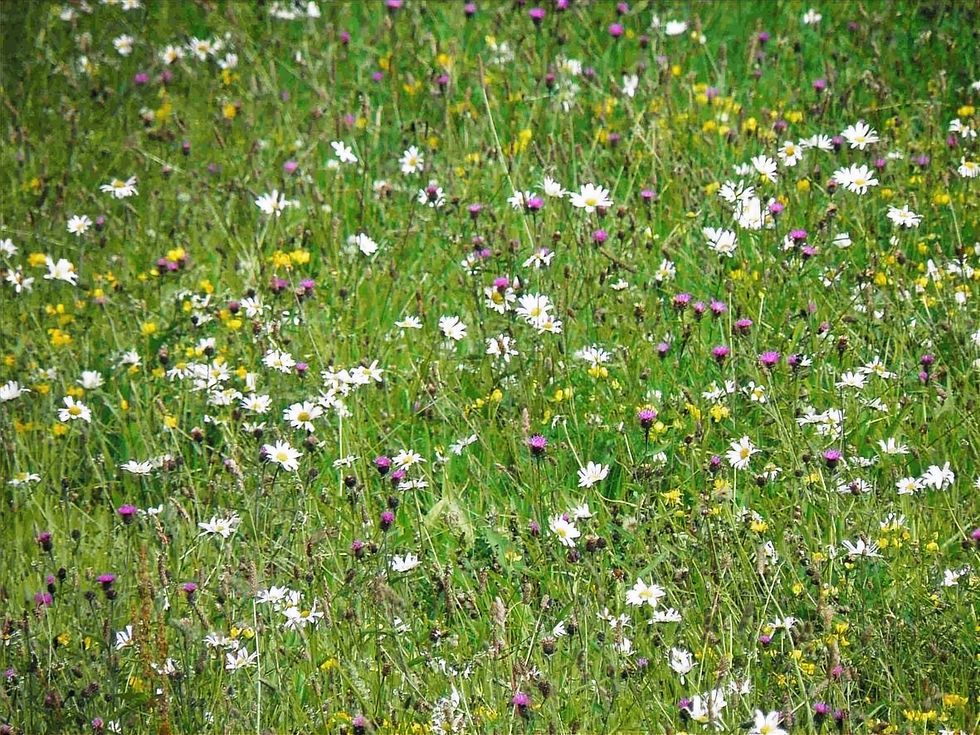
Ideal for parks, schools, and local authority projects, meadow mixes contain a variety of grasses and wildflowers. These mixes create a natural, low-maintenance habitat that supports a wide range of wildlife.
Typical species include:
Oxeye daisy
Musk Mallow
Common knapweed
Yellow rattle
This mix thrives in well-drained soil and full sun. It requires minimal mowing, usually once a year after flowering.
2. Pollinator Mix for Gardens and Balconies
If your goal is to attract bees and butterflies, choose a pollinator mix rich in nectar-producing flowers. These mixes often include:
Bird's Foot Trefoil
Field scabious
Wild marjoram
Viper’s bugloss
These plants provide food for pollinators throughout the summer months. They prefer sunny spots and well-drained soil.
3. Shade-Tolerant Mix for Woodland Edges
For shaded or partially shaded areas, a shade-tolerant mix is best. These mixes include species that can grow under tree canopies or in north-facing gardens.
Common species are:
Red Campion
Foxglove
Bluebell
Tufted Vetch
These plants add colour and interest to areas where grass struggles to grow.

4. Coastal Mix for Salt-Tolerant Areas
If you are planting near the coast, choose a salt-tolerant mix. These wildflowers can withstand salty winds and sandy soils.
Typical species include:
Ladies Bedstraw
Cowslip
Rough Hawkbit
Yarrow
This mix helps stabilise sandy soils and supports coastal wildlife.
How to Prepare Your Site for Wildflower Seeding
Proper site preparation is crucial for establishing a successful wildflower patch. Follow these steps to prepare your ground:
Clear the area: Remove existing grass, weeds, and debris. You can use a herbicide or manually dig out unwanted plants.
Loosen the soil: Lightly cultivate the soil to create a fine tilth. Avoid deep digging, which can bring weed seeds to the surface.
Level the ground: Rake the soil to create an even surface.
Sow seeds: Mix seeds with dry sand for even distribution. Scatter the seeds by hand or use a seed spreader.
Press seeds in: Lightly roll or press the soil to ensure good seed-to-soil contact.
Water gently: Keep the soil moist until seeds germinate.
Avoid fertilisers, as wildflowers thrive in low-nutrient soils.
Tips for Maintaining Your Wildflower Garden
Once your wildflowers are established, maintenance is straightforward but important. Here are some tips to keep your wildflower garden healthy:
Watering: Water only during prolonged dry spells, especially in the first year.
Weeding: Remove invasive weeds that compete with wildflowers.
Mowing: Cut the meadow once a year, ideally in late summer or early autumn after seeds have set.
Re-seeding: Add fresh seed every few years to maintain diversity.
Avoid chemicals: Do not use pesticides or herbicides that harm beneficial insects.
Regular observation helps you spot problems early and enjoy the changing colours and wildlife your wildflowers attract.
Where to Find Quality Wildflower Seeds
Choosing high-quality seeds is essential for success. At Wildflowersuk we source our seeds from reputable suppliers who specialise in native British wildflowers. We offer a wide range of native seed mixes and expert advice.
Our products are carefully selected to promote biodiversity and habitat restoration across Great Britain. Using native seeds ensures your wildflower garden supports local ecosystems and thrives in UK conditions.
Encouraging Biodiversity with Wildflower Seed Mix Ideas
Planting wildflowers is more than just creating a pretty garden. It plays a vital role in supporting biodiversity. Wildflowers provide nectar and pollen for pollinators, seeds for birds, and shelter for insects and small mammals.
By choosing the right seed mix and maintaining your wildflower area, you contribute to:
Pollinator health: Supporting bees, butterflies, and hoverflies.
Soil health: Improving soil structure and nutrient cycling.
Wildlife habitat: Offering food and shelter for a variety of species.
Climate resilience: Creating green spaces that help regulate temperature and water.
Every wildflower garden, no matter the size, makes a positive impact on the environment.
Planning Your Wildflower Garden for Success
Before you start, plan your wildflower garden carefully:
Assess your site: Note sunlight, soil type, and existing vegetation.
Choose the right mix: Match seed mixes to your site conditions and goals.
Prepare the soil: Follow the preparation steps for best results.
Sow at the right time: In the UK, autumn or early spring are ideal.
Monitor and maintain: Keep an eye on growth and manage weeds.
With thoughtful planning and care, your wildflower garden will flourish and bring joy for years to come.
By exploring these wildflower seed mix ideas, you can create beautiful, sustainable gardens that support wildlife and enhance the natural landscape. Whether you are planting a small patch or a large meadow, the right seeds and care make all the difference. Start your wildflower journey today and enjoy the vibrant colours and buzzing life that follow.
Comments